

To their very core, both scriptwriters and copywriters are trying to tell a story.
Whether it’s a blockbuster in a packed cinema hall or a sales email, the idea is to make an impact on the audience. That impact could be entertaining them, educating them, or persuading them to buy a product.
Don’t get me wrong. I’m not saying that writing a Netflix show is the same as writing the landing page copy of a furniture website, but there are a few principles that apply to both.
This week, we are exploring some screenwriting principles that apply to copywriting.
This is going to be a long read, but please bear with me. So, let’s begin.
The Opening Scene
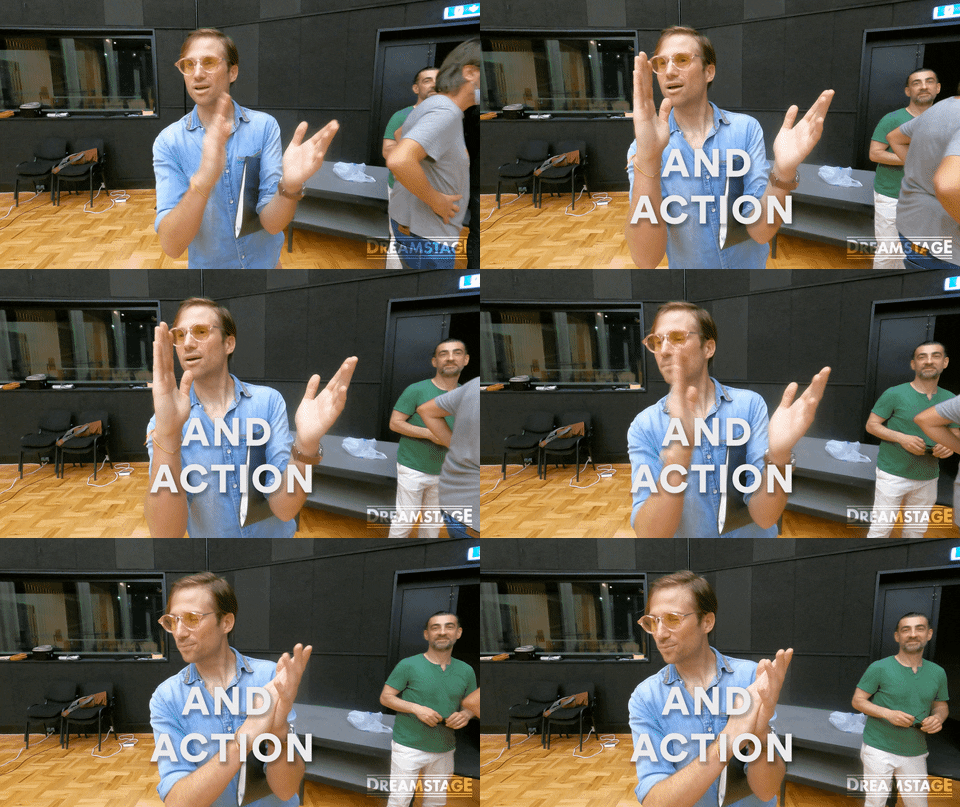
Imagine the captivating opening shot of "The Dark Knight," where the Joker orchestrates a bank heist. This brilliant opening not only introduces the central conflict but also establishes the tone and sets the stage for the rest of the film.
Similarly, in copywriting, a compelling opening section grabs readers' attention and entices them to scroll down and read further. By addressing a pain point or presenting an intriguing question, you create an irresistible urge for readers to delve deeper into the story you're telling.
Show, Don’t Tell
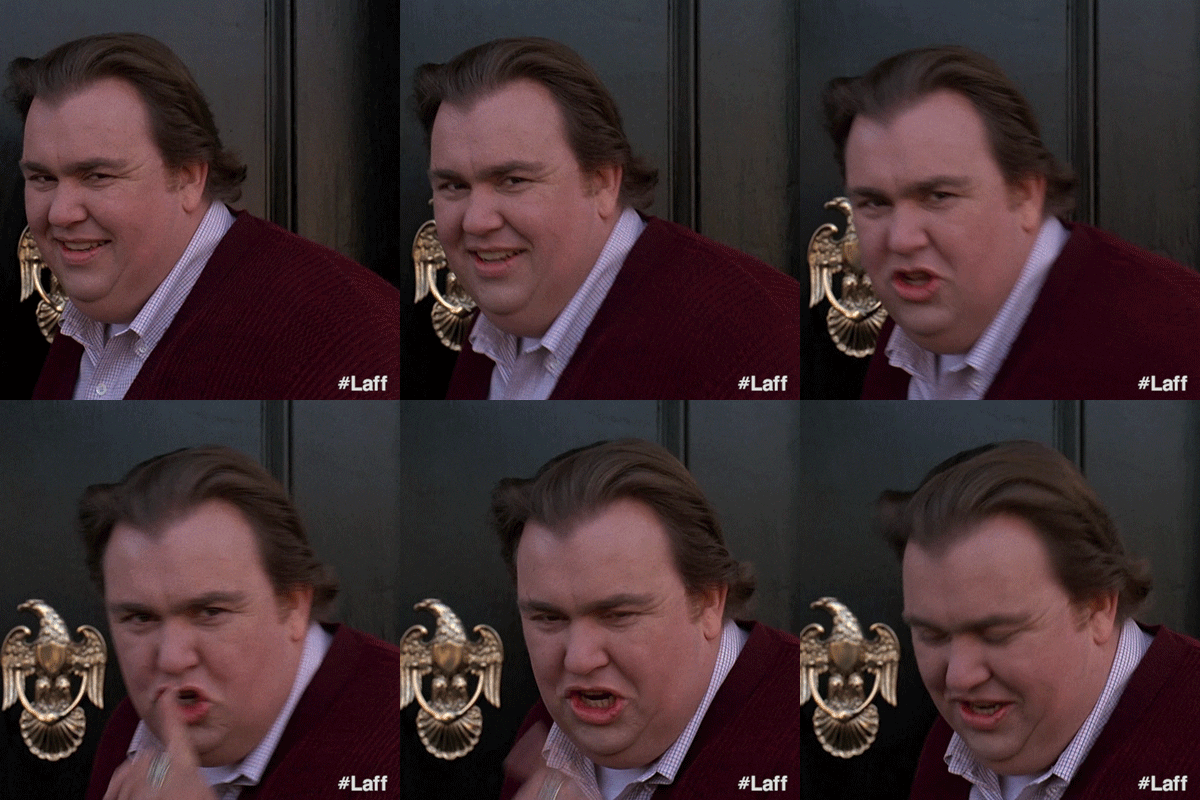
A brilliant example of this principle comes from Anton Chekhov’s quote, “Don’t tell me the moon is shining. Show me the glint of light on broken glass.”
We see this principle over and over again in films. In Fargo, the relationship between Margo, the protagonist, and her husband is effectively shown, and not told, to us.
There’s rarely any emotion expressed. But we know they care for each other by how they interact with each other.
This principle applies to copywriting as well. Instead of explicitly stating the qualities or benefits of a product or service, use storytelling techniques and descriptive language to vividly demonstrate their value. By showing readers how their lives can be transformed through your offering, you create a more immersive and persuasive experience.
Three-Act Structure
The three-act structure, comprising the Setup, Confrontation, and Resolution, is a staple in many films.
In copywriting, adapting this structure guides readers on a persuasive journey.
The Setup introduces a problem or need, captivating their attention. The Confrontation presents the features and benefits of the product or service, keeping readers engaged. Finally, the Resolution provides a clear call to action, urging them to take the desired step.
By following this structure, you create a well-rounded and engaging narrative that leads readers towards conversion.
Chekhov’s Gun
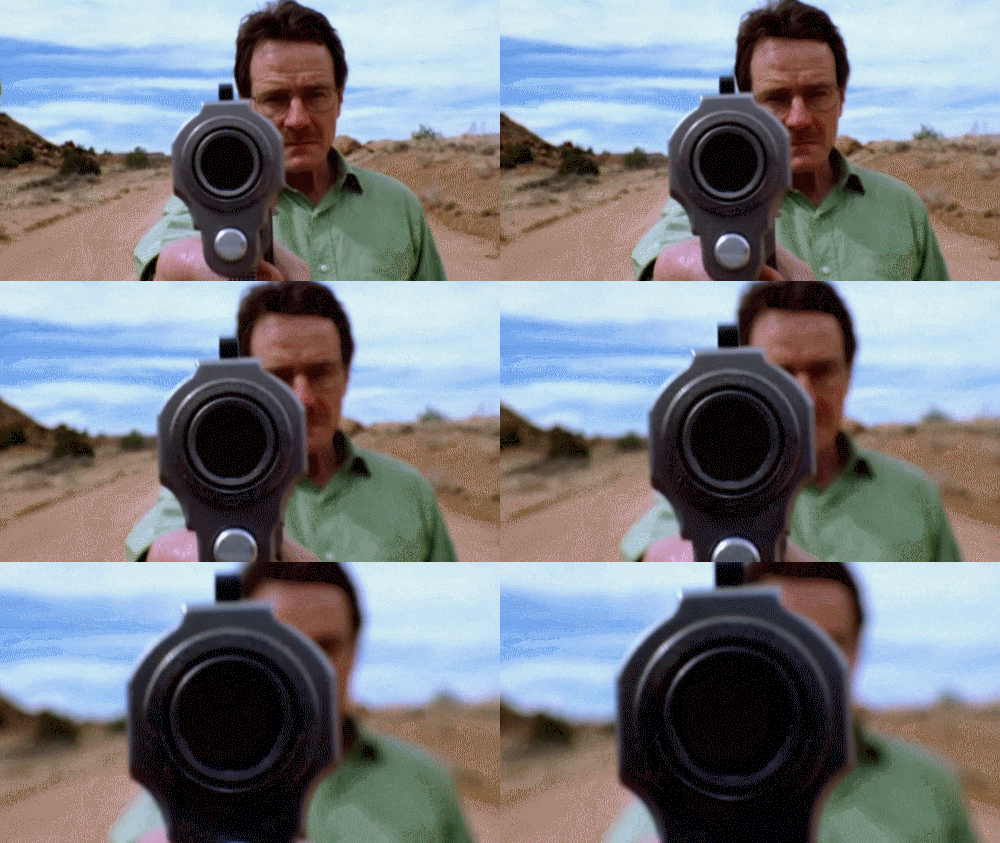
A variation of Checkov’s gun principle says, “One must not put a loaded rifle on the stage if no one is thinking of firing it.”
The movie ‘The Shawshank Redemption’ is filled with seemingly trivial details that turn out to be instrumental in Andy’s escape. For instance, Red gives him a Rita Hayworth poster to apparently help him cope with loneliness. But that poster had a greater purpose – hiding his escape hole.
In copywriting, every element should serve a purpose. Just as a gun shown in a movie must be used later, every word, sentence, or image in copywriting should be carefully selected to propel the narrative and support the central message. Each component should contribute to building interest, evoking emotions, and motivating readers to engage further.
The Bomb under the Table
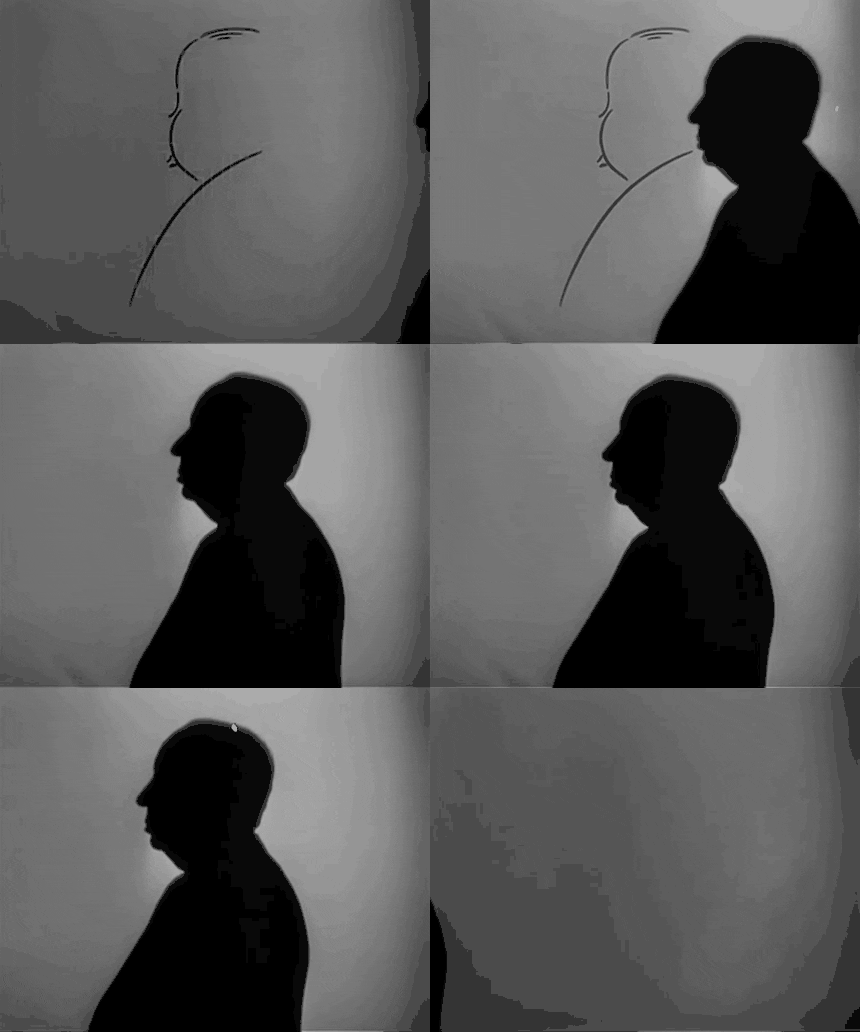
There is no better creator of suspense in movies than Alfred Hitchcock.
He said, “Four people are sitting around a table, talking about baseball or whatever you’d like. Five minutes of it. Very dull. Suddenly a bomb goes off. Blows the people to smithereens. What does the audience have? Ten seconds of shock. Now, take the same scene and tell the audience there is a bomb under that table and [it] will go off in five minutes. Well, the whole emotion of the audience is totally different, because you’ve given them that information”.
In the timeless classic "Psycho," Hitchcock skillfully builds tension throughout the film, keeping audiences on the edge of their seats.
In copywriting, this rule translates into highlighting the potential negative consequences of inaction or missed opportunities. By emphasizing the urgency and illustrating the transformative power of the product or service, readers are compelled to take immediate action, fearing the repercussions of delay.
Hope you had fun reading!
Until next time. :)
Fascinating insights on how screenwriting principles translate into effective copywriting strategies! Drawing parallels between iconic movie scenes and copy techniques, like "The Bomb under the Table" with emphasizing urgency, truly illuminates the art of storytelling in both fields. It's a refreshing perspective on the importance of narrative, no matter the medium. Looking forward to more of such intriguing reads. Keep up the excellent work! :)