

Hello Persuasion Superstars 🌟,
If you are reading this, it means either of the two things:
My headline worked,
You are a friend who wants to support me.
But jokes apart, headlines are the most important part of any piece of content.
According to Copyblogger, 8 out of 10 people read your headline, but only 2 out of 10 will read the rest of your content.
So, all words aren’t created equal. And that’s understandable.
With a deluge of cat videos and puppy photos, it’s gotten very difficult to get people’s attention.
This week, I explored how Psychology can be applied to write incredible headlines and wanted to share some of those ideas with you. So, let’s jump right in!
🔍 Curiosity Gap – The Need to Satisfy an Itch in Our Brains
As the name suggests, it is the gap between what we know and what we want to know.
When we don’t know something, we feel compelled to find the missing piece of information. That’s pretty human.
Experiment:
A Cal Tech study gave volunteers a bunch of trivia questions to stir either high or low curiosity and scanned their brains.
When volunteers were very interested in a question, they experienced higher activity in the caudate region – a part that’s active when we anticipate rewards.
Example:
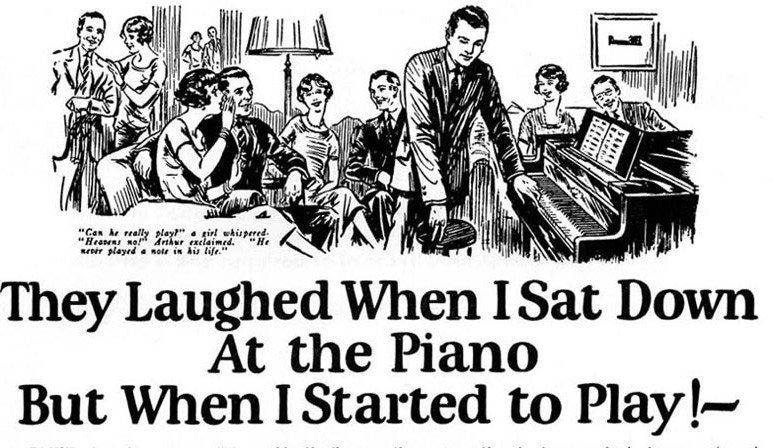
Here’s a classic example of this from 1926:
💥 Surprise – Our Brain’s Love for Novelty
From an unexpected holiday to finding money in our old pants, almost all of us love surprises.
When we experience unexpected pleasant things, our brain’s pleasure centers get ‘turned on’.
Experiment:
Researchers from Emory University split participants into two groups: One of them received squirts of juice into their mouths at regular intervals, while the other group received them at random intervals.
MRI scans showed that participants that received random squirts showed higher activity in the pleasure centers of the brains.
Example:
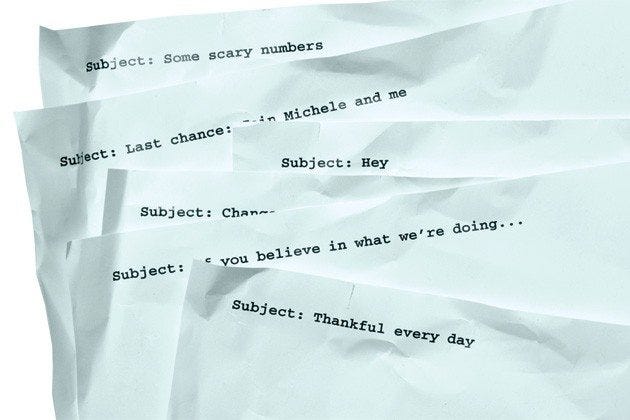
A strange campaign by Obama helped their team raise money through emails. What was so special about those email?
Those emails, unexpectedly, had subject lines, like ‘hey’ and ‘wow’ from a presidential candidate.
🚫 Negatives – Worst is Better than Best
Common sense suggests that positive superlatives, like best, biggest, and greatest, would do well in headlines, but it turns out that negative superlatives do much better.
Experiment:
Outbrain did a study on 65,000 titles. They found that headlines with positive superlatives (‘always’ and ‘best’) did 29% worse.
On the other hand, headlines with negative superlatives (‘never’ and ‘worst’) performed 30% better.
The average click-through rate of headlines with negative superlatives was 63% higher than positive ones.
Example:
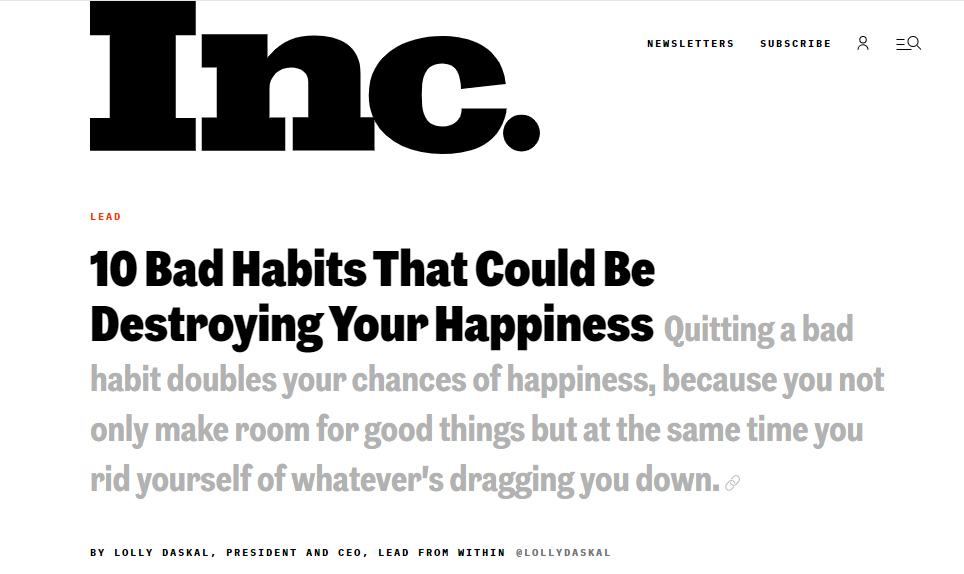
Positive superlatives may have lost their effectiveness through overuse. Also, negative superlatives tap into our insecurities. Here’s an example:
👥 Audience Referencing – ‘You talkin’ to me?’
Using ‘You’ or ‘Your’ is a powerful way to show the reader that you are directly talking to them.
When they think ‘Oh, that’s for me’, they are more likely to engage with you.
Experiment:
Norwegian researchers tried a few variations of a headline to test their theory. Here are the three variations of the headline: ‘For sale: Black iPhone4 16 GB’, ‘Anyone need a new iPhone4?’, and ‘Is this your new iPhone4?’
The headline with the audience referencing cue ‘You’ generated higher click-through than other headlines.
Example:
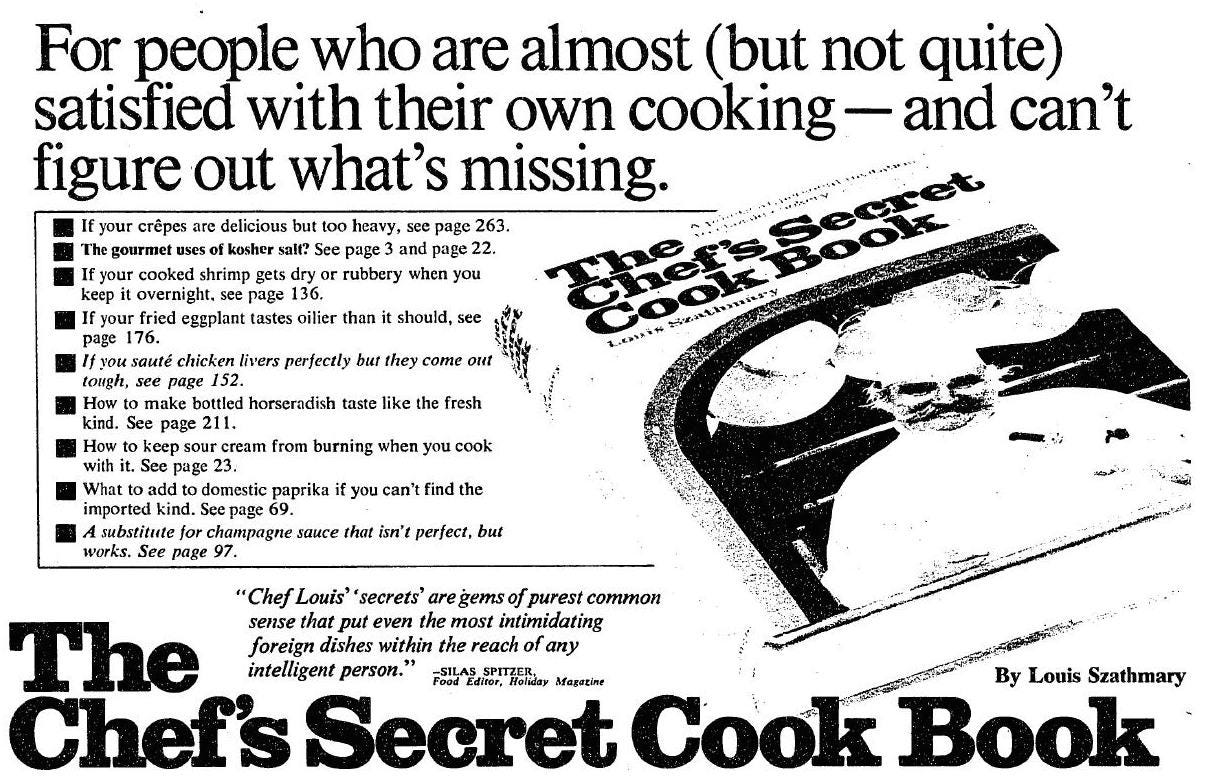
Here’s a famous example from the copywriter Mel Martin:
🔢 Numbers – The Pleasure of Specificity
We humans don’t like uncertainty.
We want to be told exactly what we are going to get. And numbers do just that. They add specificity to our claim.
The Experiment
Columbia University researchers did an interesting experiment to study the Psychology of waiting lines. When a group of patients were not told how much they are going to wait, they perceived it to be longer and experienced more irritation.
On the other hand, the group of patients who were told that the doctor will be delayed by 30 minutes experienced an initial annoyance, but then relaxed and accepted the situation.
Example:
Look at how this headline uses numbers to attract attention:
I hope you found something of value in this newsletter. Feel free to apply it to your copy.
Keep on persuading,
Ahsan
I like how engaging your writing was. Subbed!